Understanding Infrared Saunas
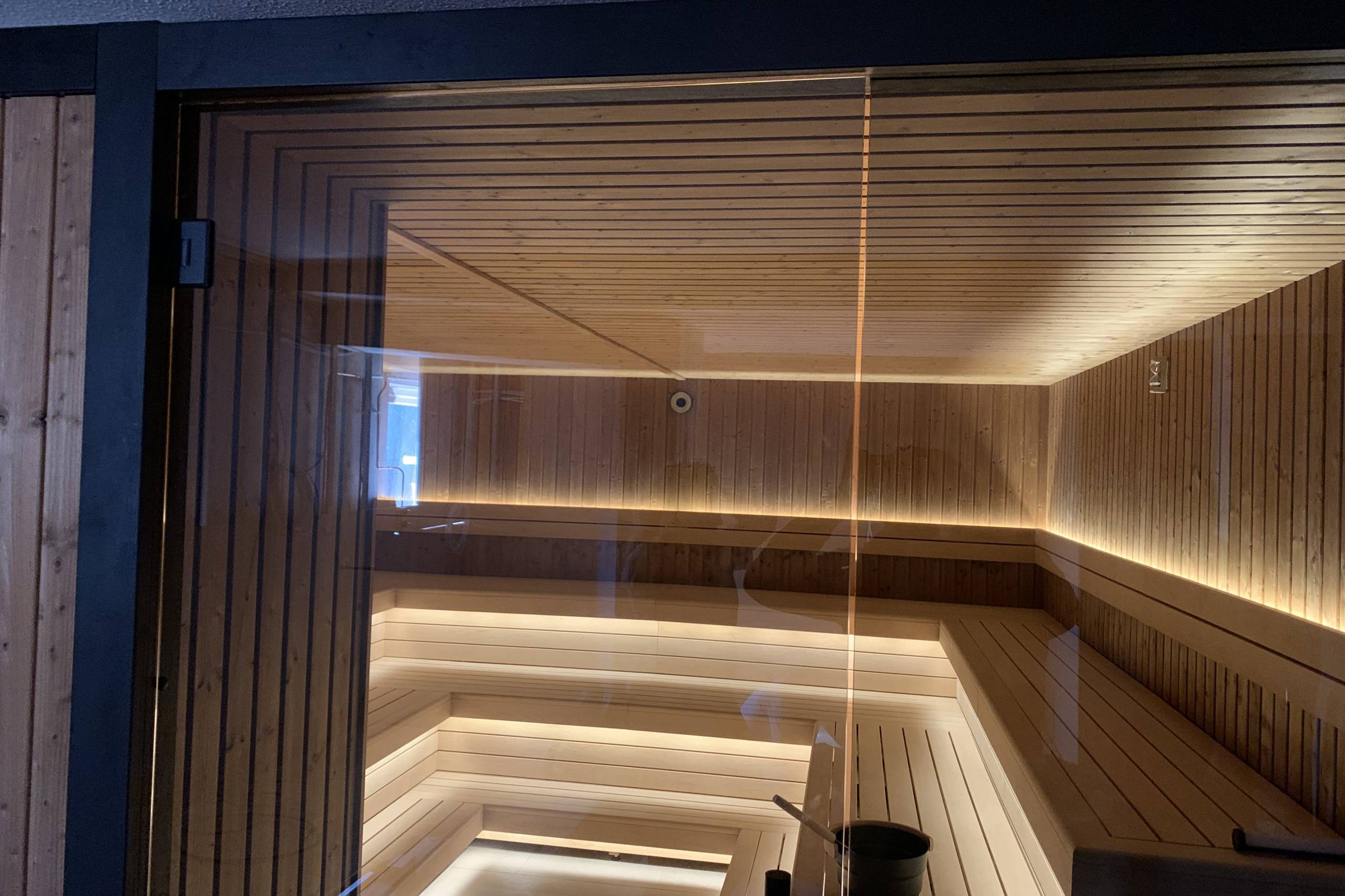
Infrared saunas utilize infrared light to provide a unique heating experience that penetrates the skin, offering numerous health benefits. Unlike traditional saunas that heat the air, infrared saunas directly warm the body, allowing for a more comfortable and effective sweat session.
These saunas operate at lower temperatures, typically between 120°F to 140°F, which can be more tolerable for longer sessions. Studies suggest that regular use can help with detoxification, relaxation, and even pain relief, making them a popular choice for wellness enthusiasts.
Benefits of Using Infrared Saunas
Infrared saunas offer a variety of health benefits that extend beyond mere relaxation. Users often report improved circulation, enhanced skin health, and relief from muscle soreness after workouts.
Research indicates that the heat generated by infrared saunas can aid in the recovery process for athletes, improve cardiovascular health, and promote better sleep patterns. These benefits make infrared saunas an excellent addition to any wellness routine.
Common Myths About Infrared Saunas
Despite their growing popularity, several misconceptions surround infrared saunas. One common myth is that they are unsafe due to the radiation emitted; however, the infrared radiation used is non-ionizing and considered safe for regular use.
Another myth is that infrared saunas are only beneficial for detoxification. While detoxing is a significant advantage, the saunas also contribute to weight loss, improved skin tone, and stress relief, making them a multifaceted wellness tool.
How to Use an Infrared Sauna Effectively
To maximize the benefits of an infrared sauna, it is essential to follow best practices for use. Start with shorter sessions, typically around 15-20 minutes, and gradually increase the duration as your body acclimates to the heat.
Staying hydrated before, during, and after your sauna session is crucial to prevent dehydration. Additionally, incorporating relaxation techniques, such as deep breathing or meditation, can enhance the overall experience and promote greater wellness benefits.
Understanding Infrared Saunas
Infrared saunas utilize infrared light to provide a unique heating experience that penetrates the skin, offering numerous health benefits. Unlike traditional saunas that heat the air, infrared saunas directly warm the body, allowing for a more comfortable and effective sweat session.
These saunas operate at lower temperatures, typically between 120°F to 140°F, which can be more tolerable for longer sessions. Studies suggest that regular use can help with detoxification, relaxation, and even pain relief, making them a popular choice for wellness enthusiasts.
Benefits of Using Infrared Saunas
Infrared saunas offer a variety of health benefits that extend beyond mere relaxation. Users often report improved circulation, enhanced skin health, and relief from muscle soreness after workouts.
Research indicates that the heat generated by infrared saunas can aid in the recovery process for athletes, improve cardiovascular health, and promote better sleep patterns. These benefits make infrared saunas an excellent addition to any wellness routine.
Common Myths About Infrared Saunas
Despite their growing popularity, several misconceptions surround infrared saunas. One common myth is that they are unsafe due to the radiation emitted; however, the infrared radiation used is non-ionizing and considered safe for regular use.
Another myth is that infrared saunas are only beneficial for detoxification. While detoxing is a significant advantage, the saunas also contribute to weight loss, improved skin tone, and stress relief, making them a multifaceted wellness tool.
How to Use an Infrared Sauna Effectively
To maximize the benefits of an infrared sauna, it is essential to follow best practices for use. Start with shorter sessions, typically around 15-20 minutes, and gradually increase the duration as your body acclimates to the heat.
Staying hydrated before, during, and after your sauna session is crucial to prevent dehydration. Additionally, incorporating relaxation techniques, such as deep breathing or meditation, can enhance the overall experience and promote greater wellness benefits.