

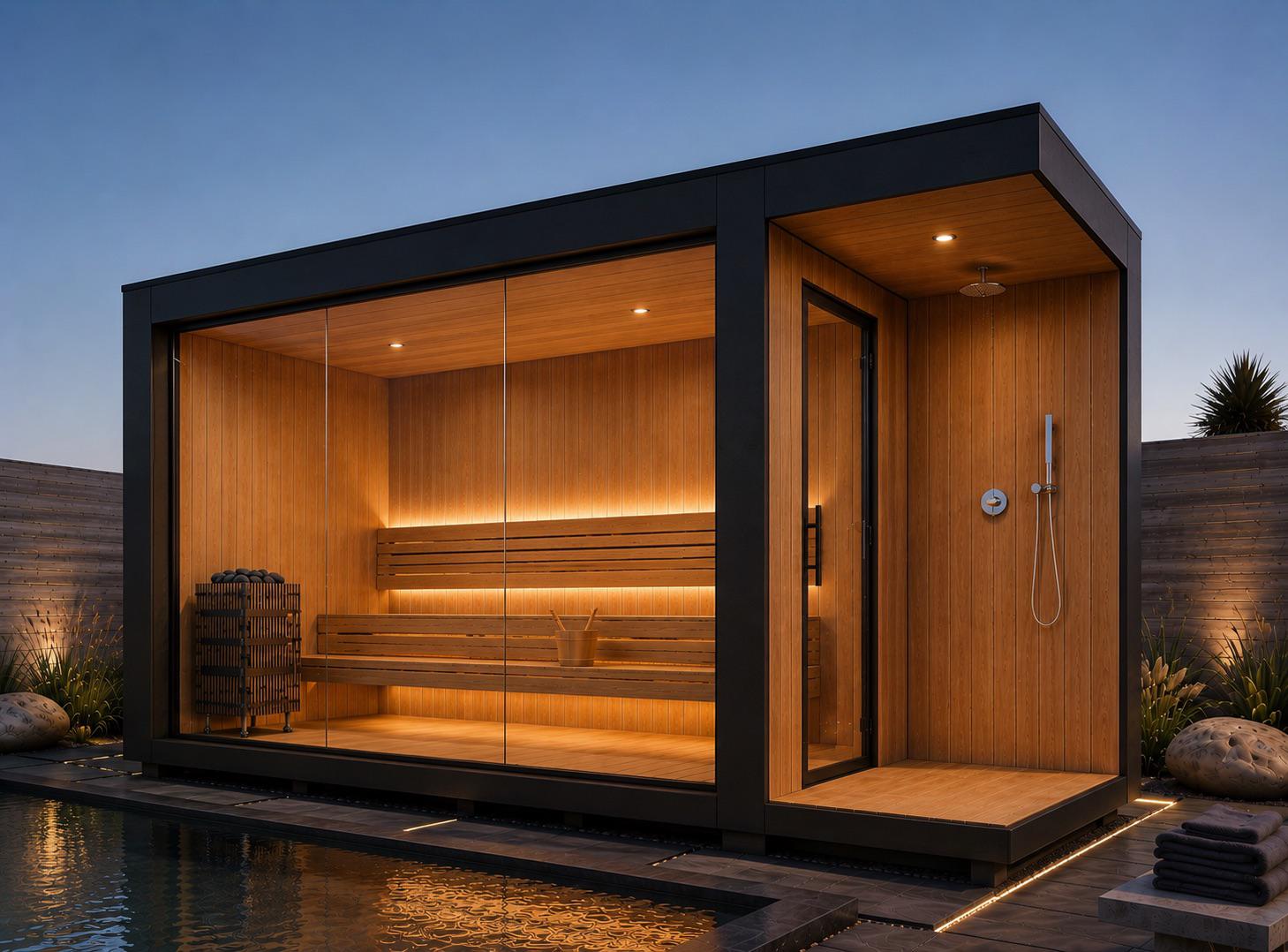
The standard has changed
A decade ago, looking after yourself meant going somewhere. To the gym. To the studio. To the clinic. Wellness was something you left the house to access: a paid-for hour, a class on the schedule, a destination on the calendar.
That model has quietly broken down.
What we used to call wellness has expanded out of the gym, away from the personal trainer, beyond the supplement aisle, and into the home. Not as a workout space, but as something more ambitious: a place engineered for the everyday rhythms of recovery, sleep, focus and long-term wellbeing.
The standard has changed.
How wellness moved from the gym into the architecture of the home, and what that means for the way we live.
Ember & Ice Wellness
From performance to longevity
For most of the last two decades, the conversation around wellness was driven by performance. How hard you trained. How much you lifted. How visible the results. The audience was athletes, gym-goers and the dedicated minority.
The conversation today is different. It’s about sleep architecture. Heart rate variability. Cold exposure. Inflammation. Nervous-system regulation. The questions being asked are quieter, more biological and, crucially, more universal, because everyone sleeps, everyone manages stress, and everyone is ageing.
What was once the domain of professional athletes has become the daily concern of architects, founders, parents and designers. The science hasn’t changed. The audience has.
Biohacking moved from the fringe to the mainstream
A few years ago, biohacking was a category for outliers: Silicon Valley engineers tracking macros with spreadsheets, podcasters fasting in red-tinted rooms. It looked, and sounded, fringe.
That label no longer applies. Continuous glucose monitors are sold over the counter. HRV is a feature on a wristwatch. Saunas, cold plunges and red light therapy are part of mainstream wellbeing conversations, not because they’re new, but because the evidence has caught up with the practice.
The mainstreaming of figures like Huberman, Attia and others has accelerated something that was already happening: thoughtful people deciding that understanding and managing their own biology is a reasonable, even necessary, part of modern life.
You no longer need to belong to a private clinic or train at an elite level to take this seriously. You just need to be paying attention.
Recovery is the new performance
The most significant shift inside wellness is also the most quiet. For years, training was the headline and recovery was the afterthought, what you did between sessions, if you remembered.
That has reversed.
Recovery isn’t what supports performance. Recovery is performance.
The current understanding, backed by the research and increasingly by lived experience, is that sleep quality, contrast bathing, sauna use, breathwork and nervous-system regulation aren’t side practices. They’re the practices.
For the home, this changes everything. A wellness space is no longer a treadmill in the spare room. It’s a sauna. A cold plunge. A red light bed. A space designed for parasympathetic regulation rather than sympathetic output. A space for slowing the body down, deliberately, day after day.
The home becomes the wellness space
There’s an architectural shift happening alongside the cultural one.
The wellness room is no longer carved out of leftover floor plan. It’s part of the brief from day one. We’re seeing it in residential design. We’re seeing it in hospitality. We’re seeing it on the drawings of architects who, five years ago, would have placed the sauna at the bottom of the priorities list.
The home gym has been quietly supplemented, sometimes replaced, by the recovery suite. Sauna, plunge, shower, decompression space. Designed not as a vanity addition but as a daily-use environment, integrated into the way the home actually lives.
This is what we mean when we say wellness, designed the way architecture is designed. Proportion, material, atmosphere. A space that integrates with the home rather than imposing on it.
The new standard
The new standard isn’t who has the best gym membership. It isn’t who trains hardest, who hits the most personal records, or who posts the most before-and-afters.
It’s who has built the conditions at home, every day, for long-term, low-key wellbeing.
It’s quieter than the old standard. Slower. Less performative. The metrics live on a watch rather than a leaderboard. The wins compound over years rather than weeks. The work is largely invisible.
But it’s also more honest about what wellness actually is. Not a class. Not a phase. A space. A rhythm. Something built into the architecture of how you live.
The standard has changed, and the home has become the place where the change is most visible.
Ember & Ice Wellness designs and builds architectural recovery spaces, outdoor saunas, indoor saunas, ice baths and red light therapy systems, for homes and hospitality projects across the UK. Speak with the team on 0330 633 0526.
Related Posts
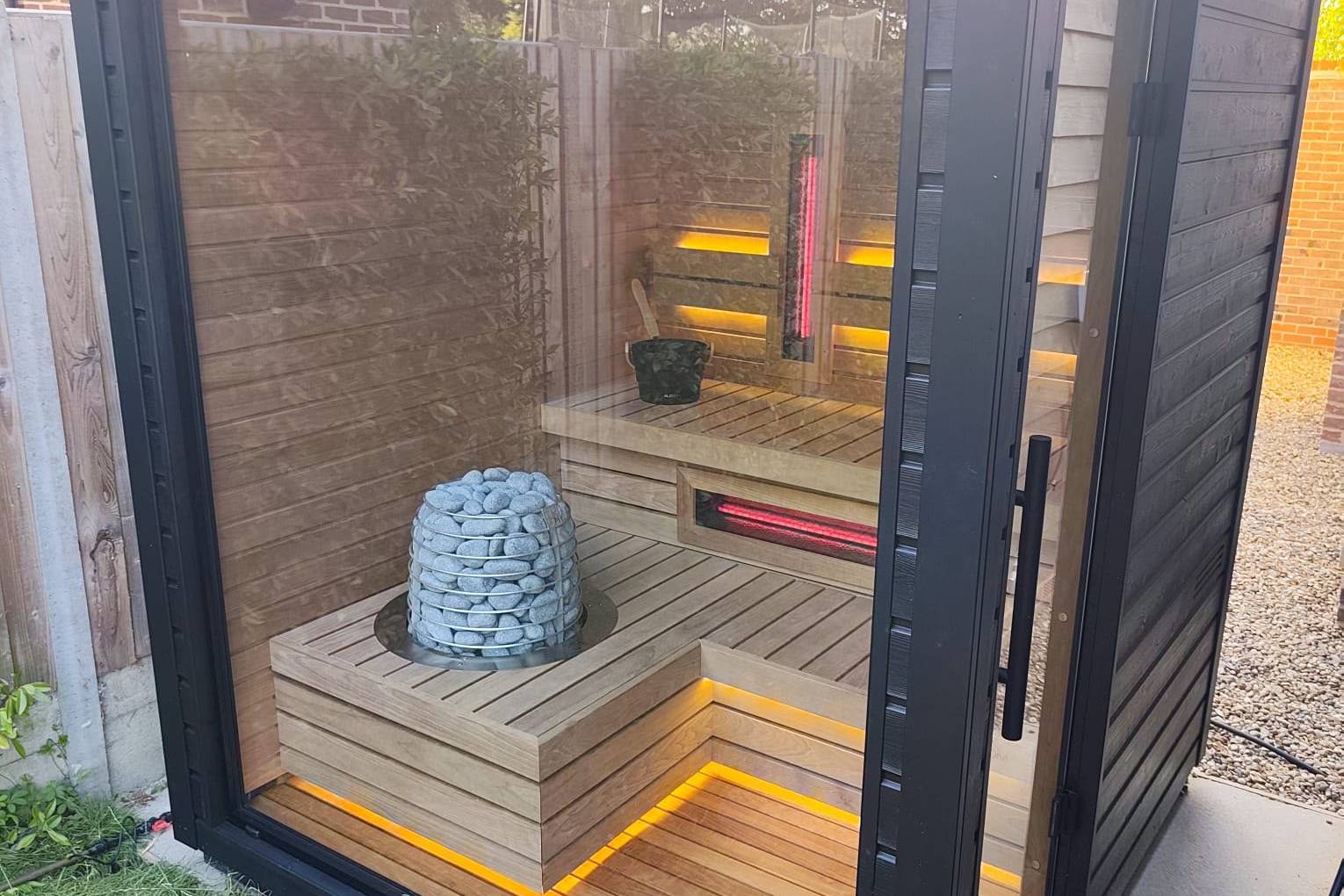
Custom Hybrid Mira Outdoor Sauna in Newmarket
When a previous sauna company failed to deliver, our client turned to Ember &…
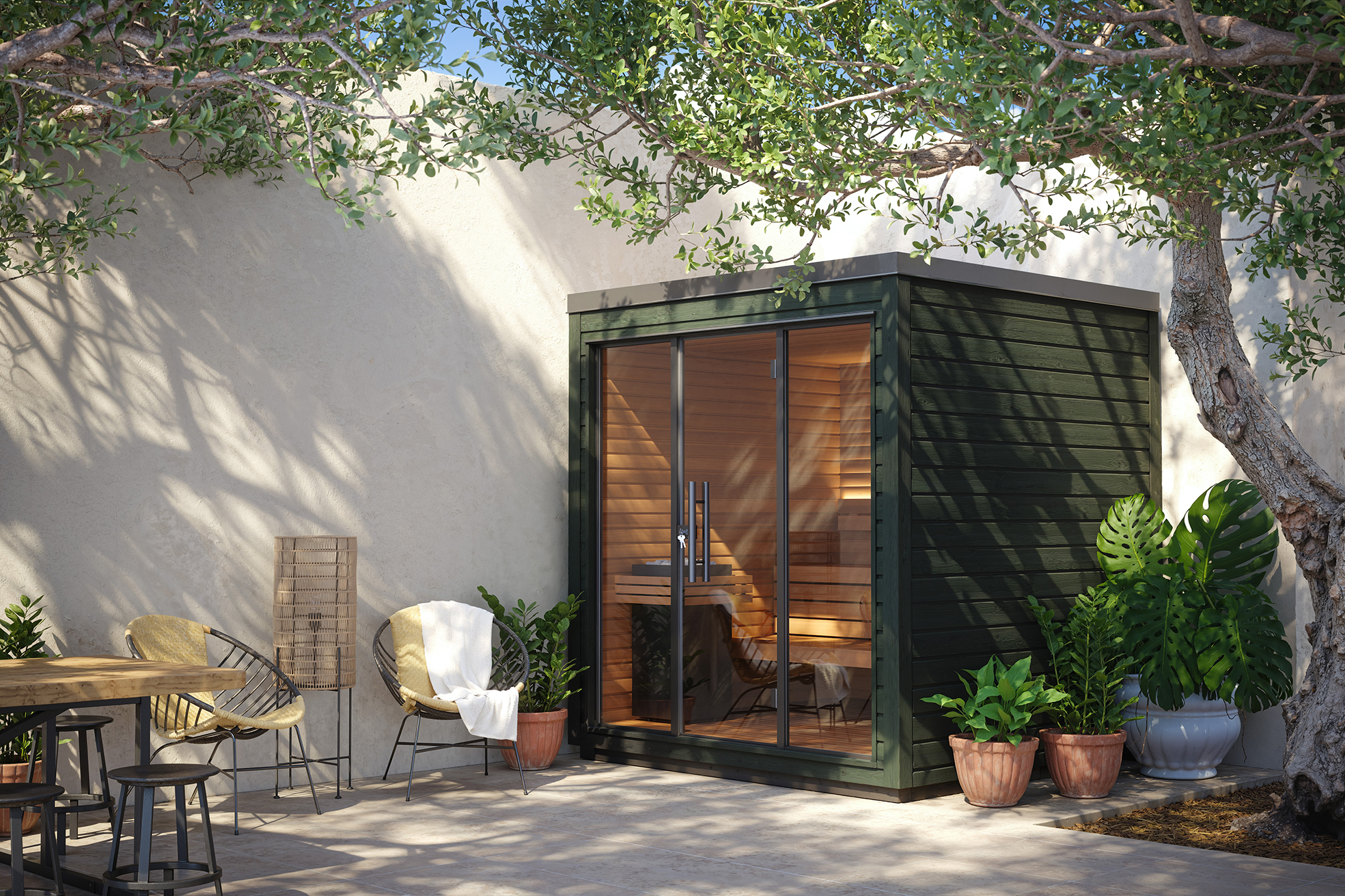
Six Shades of Mira Luxury
The Mira garden sauna arrives in six elegant new colourways, from Spruce Green…
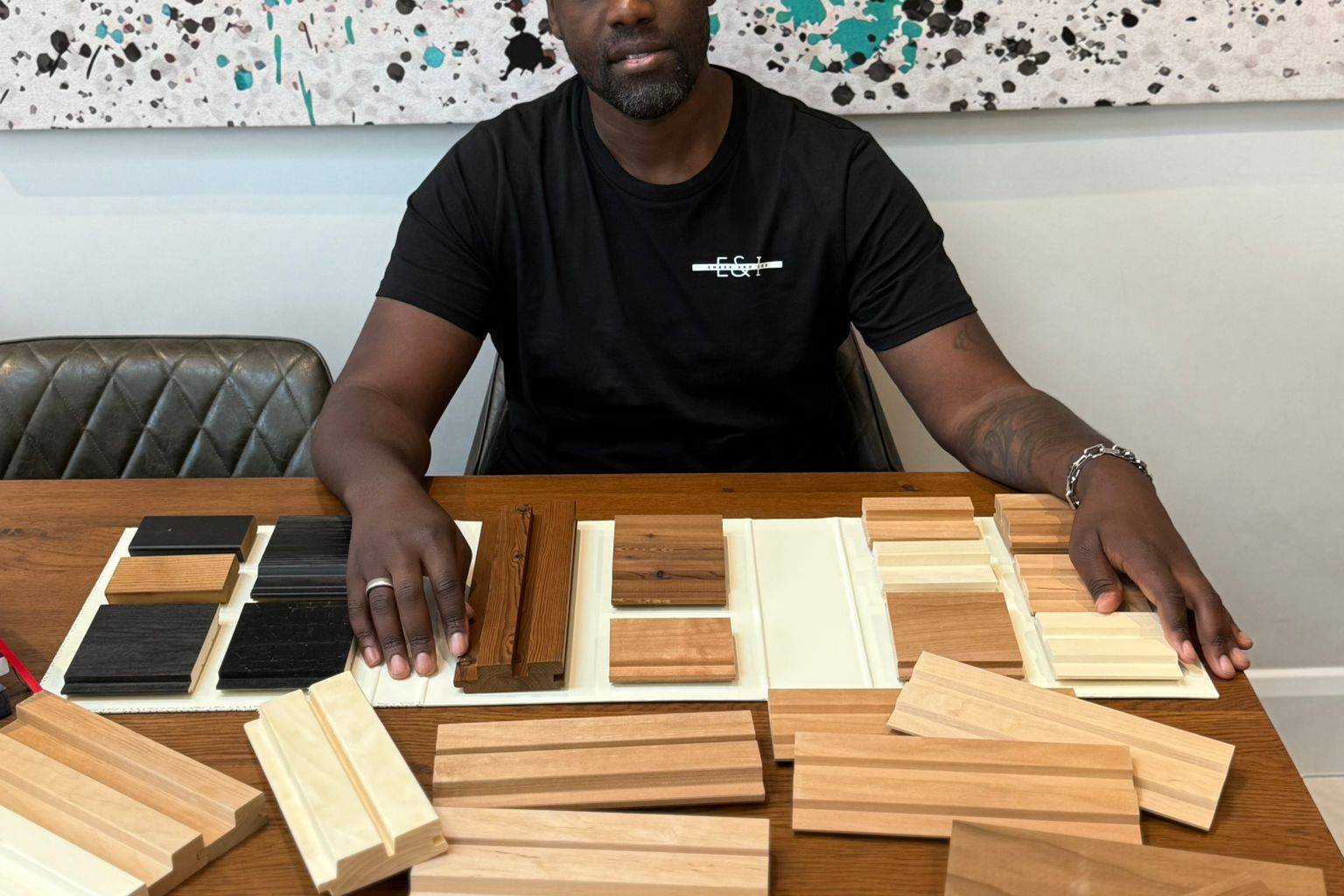
The Story Behind Ember & Ice Wellness | Nordic-Inspired Wellness Design
The story behind Ember & Ice Wellness: how founder Chris Wainwright-Park…