

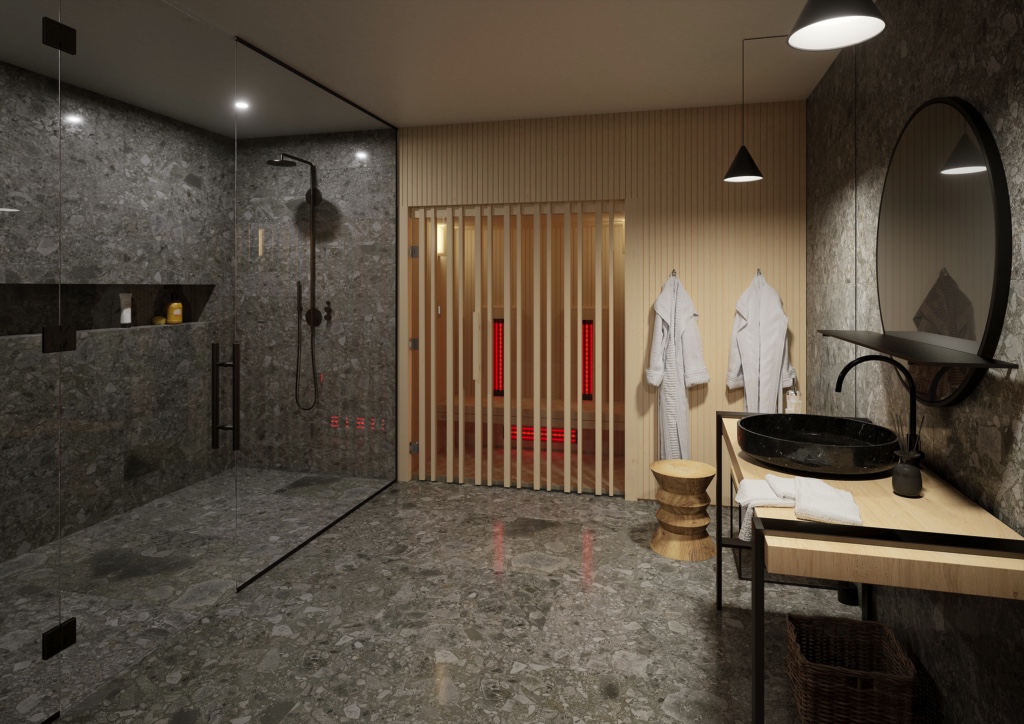
Infrared Saunas: The Truth, The Myths, and the Marketing Stretch
Infrared saunas are rapidly gaining popularity in the UK, appearing in luxury spas, gyms and private homes. They’re often marketed as everything from a deep detox to effortless weight loss. So what’s fact, what’s fiction, and where does the marketing go too far? At Ember and Ice, we cut through the hype with evidence-based advice, so you can make an informed decision about your next infrared sauna.
Great technology doesn’t need marketing gimmicks.
Ember & Ice Wellness
What is an infrared sauna?
Unlike traditional saunas that heat the air, infrared saunas use panels to emit infrared light, gently warming your body directly. This creates a less intense, more comfortable heat, typically 40 to 60°C, making it accessible and relaxing for a wide range of users. Whether you’re considering a home sauna or a commercial installation, understanding the technology is key to getting the most from it.
The evidence: real infrared sauna benefits
Relaxation and stress relief: research suggests the gentle, sustained heat of an infrared sauna is associated with lower cortisol and greater relaxation. Many users report better sleep and less muscle tension after regular sessions.
Cardiovascular support: some research suggests regular infrared sauna use may support circulation and healthy blood pressure, in a way that echoes moderate exercise, with the clearest signals seen in people who already have cardiovascular risk factors.
Muscle recovery: athletes often use infrared saunas after training. The heat may help ease muscle soreness and support recovery, with effects broadly comparable to traditional saunas.
The myths: what infrared saunas don’t really do
Detox myths: you may see claims that infrared saunas detoxify the body at a cellular level. Sweating helps regulate temperature, but your liver and kidneys handle the vast majority of detoxification, and there’s no credible evidence that a sauna removes heavy metals or toxins more effectively than the body already does.
Weight-loss claims: yes, you’ll sweat and lose some water weight, but that’s quickly regained on rehydration. Any calorie burn is modest, similar to a brisk walk. Don’t buy an infrared sauna primarily for weight loss.
Cure-all claims: some brands suggest infrared saunas can cure chronic pain, autoimmune conditions or other illnesses. Heat can offer some people symptom relief, but it’s not a cure and should never replace proper medical care.
Infrared panel technology: types, features and benefits
The heart of any infrared sauna is its heating panel, and not all panels are equal.
Ceramic panels: heat ceramic rods to emit far-infrared. Fast heat-up and intense, focused heat, good for shorter, more intense sessions, but can create hot spots and less even heat, and can be less comfortable over longer sessions.
Carbon fibre panels: thin, flexible carbon sheets emit far-infrared across a wider area. Lower surface temperature, even and consistent heat, and energy efficient, ideal for relaxation and longer sessions, though slightly slower to heat up. Often used in cheaper mass-market saunas.
Full-spectrum panels: combine near, mid and far-infrared in a single panel with advanced controls. Near-infrared is associated with skin health and mild anti-inflammatory effects; mid-infrared with deeper warmth and circulation; far-infrared with relaxation and cardiovascular support. Typically a higher price point, best for those wanting a full-spectrum experience.
Hybrid systems: combine two or more panel types (e.g. ceramic and carbon) for customisable heat zones. They offer both deep, intense heat and gentle, even warmth, ideal for multi-user or commercial spaces where preferences vary.
Understanding hybrid vs full spectrum
Hybrid infrared saunas combine different panel types, usually carbon and ceramic, to give a broader range of heat within one cabin, balancing ceramic’s deep heat with carbon’s gentle warmth. But does that make a hybrid “full spectrum”? Not quite.
Full-spectrum saunas emit all three key wavelengths: near-infrared (skin health), mid-infrared (deeper warmth and circulation) and far-infrared (relaxation). Most carbon and ceramic panels are engineered to emit far-infrared, so combining them adds comfort and flexibility but doesn’t deliver true full-spectrum coverage.
In short: carbon and ceramic panels, alone or combined, are not full spectrum; true full-spectrum saunas use specialised panels to deliver all three wavelengths.
Why choose Ember and Ice
We offer a curated range of infrared and traditional saunas featuring the latest panel technology, tailored to your space and goals. Our team gives transparent advice, tailored design and careful installation for home and commercial clients, always clarifying the difference between panel types so you choose the right solution, no marketing gimmicks.
Ready to experience the real benefits of infrared saunas? Get in touch for a transparent consultation and design advice on your next project.
Related Posts
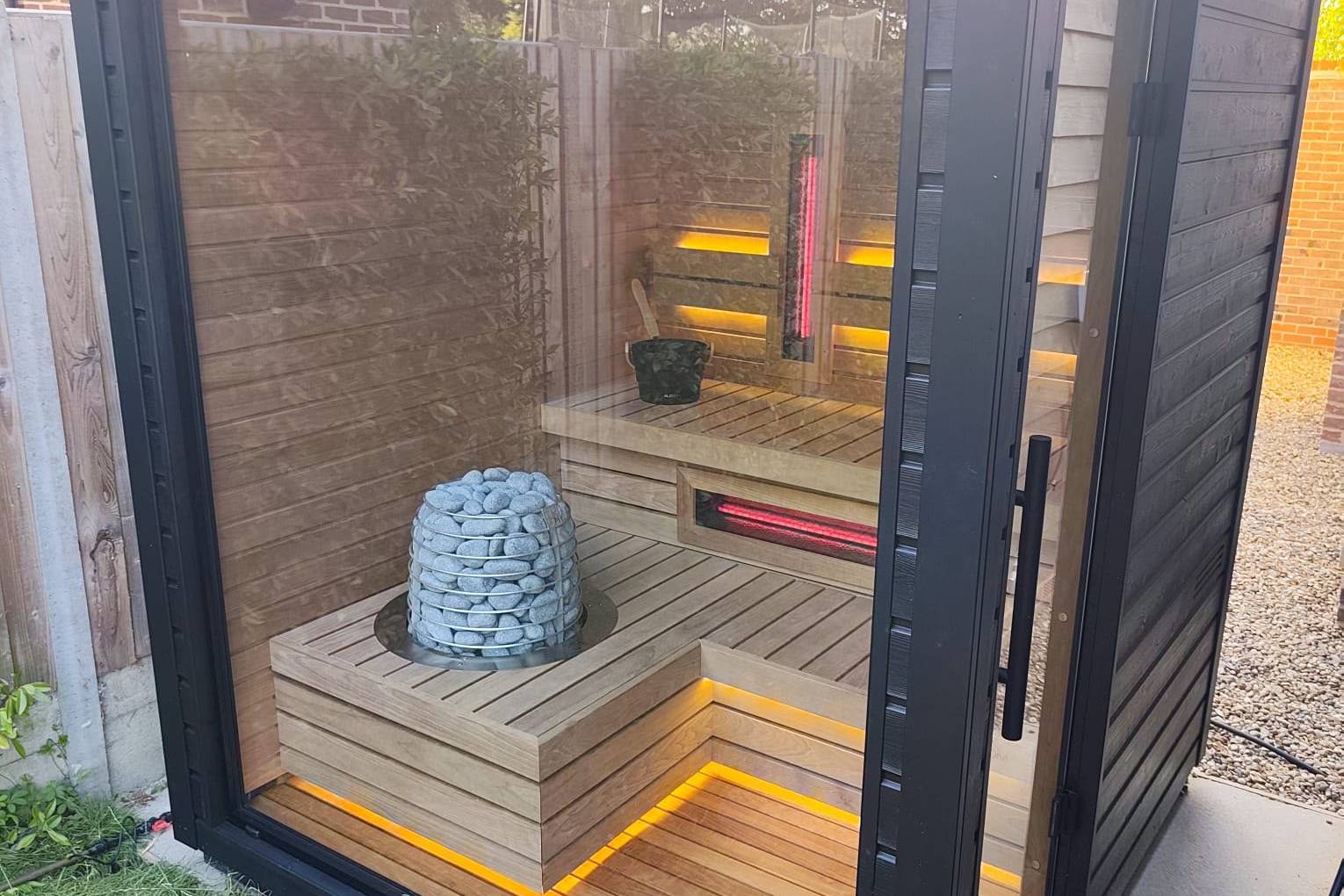
Custom Hybrid Mira Outdoor Sauna in Newmarket
When a previous sauna company failed to deliver, our client turned to Ember &…

Sauna Buyers Guide: What Do We Mean By A “Premium Insulated Sauna”?
A premium insulated sauna is more than a wooden box with a heater. Our buyer's…
Do Infrared Saunas Get Hot Enough? The Science Explained
Do infrared saunas get hot enough to deliver real benefits? Why the temperature…