

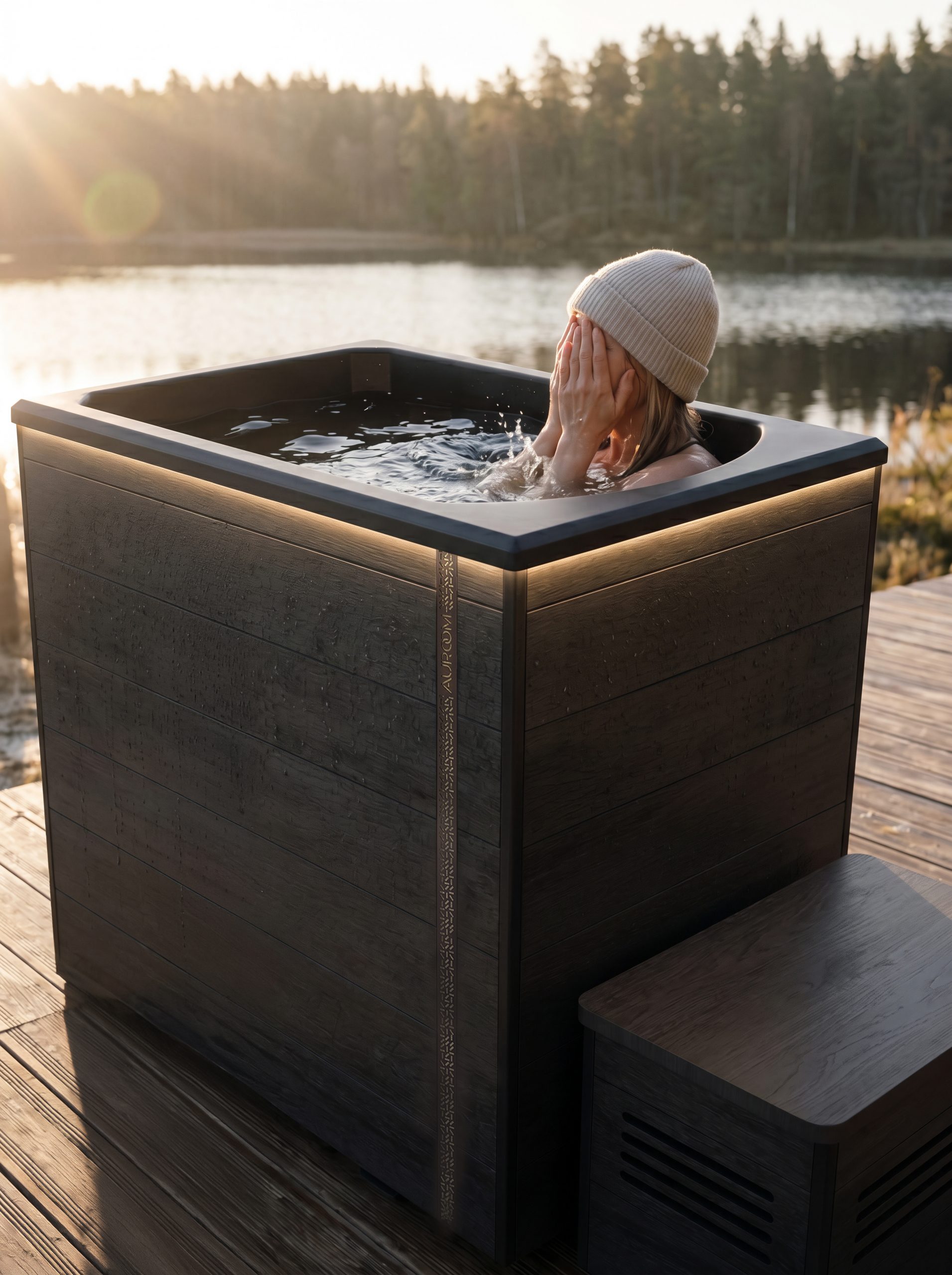
The Science of Thermoregulation: Contrast Therapy Protocols for Growth Hormone, Fat Loss, and Mental Health
Thermoregulation, the body’s ability to hold its core temperature within a narrow, safe range, is one of the most powerful levers we have for performance, recovery and mental resilience. By deliberately alternating heat and cold, contrast therapy taps into deep systems that influence hormonal output, metabolism and the nervous system. Recent research increasingly frames temperature stress not just as a survival mechanism, but as a tunable stimulus for healthspan. Here we map the science, the protocols and, importantly, the limits, when cold helps and when it harms.
Temperature stress isn’t just survival biology. Used well, it’s a tunable stimulus for recovery and resilience.
Ember & Ice Wellness
Growth hormone and heat exposure
Heat stress in a sauna stimulates the hypothalamic-pituitary axis. Studies have reported significant increases in growth hormone following sauna use, particularly with repeated bouts separated by cooling periods. Growth hormone plays a role in tissue repair, lean-mass preservation and fat metabolism.
General guidance: 2 to 3 sauna sessions a week, 15 to 20 minutes each at 80 to 95°C, with recovery intervals in between.
The likely mechanism: heat stress prompts growth-hormone release via hypothalamic stimulation and lactate accumulation, which together increase the size of GH pulses.
Cold stress and metabolism
Cold immersion activates brown adipose tissue (BAT), which burns glucose and fatty acids to generate heat (non-shivering thermogenesis). Over time, this is associated with greater energy expenditure and improved insulin sensitivity.
General guidance: 2 to 5 cold immersions a week, 1 to 3 minutes at 10 to 15°C, ideally after resistance training.
The likely mechanism: norepinephrine from the sympathetic nerves activates receptors in BAT, driving heat production via uncoupling protein 1 (UCP1).
Mental resilience
Both heat and cold trigger acute stress responses that raise norepinephrine and dopamine, neuromodulators associated with mood, motivation and focus. Repeated, controlled exposure is thought to reshape the nervous system’s response to stress over time, supporting resilience. Heat exposure is associated with increases in BDNF (a protein linked to brain plasticity), and cold exposure with a lasting lift in dopamine after immersion.
When cold becomes harmful
The benefits of cold are dose-dependent, and too much is dangerous:
- Peripheral tissue: prolonged exposure below 5°C risks frostbite and tissue damage.
- Nervous system: extremely cold conditions (direct contact below 0°C, or prolonged full-body immersion below 5°C) can impair nerve function.
- Cognitive risk: severe hypothermia (core temperature below 35°C) reduces blood flow to the brain and can cause lasting harm.
Safe practice means short duration, controlled temperatures and prompt rewarming. This is not about extremes.
The control centre: the preoptic area
At the centre of thermoregulation sits the preoptic area (POA) of the hypothalamus, which reads temperature signals from the skin and core and coordinates the body’s responses: activating sweat glands to cool, dilating or constricting blood vessels, and driving shivering or non-shivering heat production. The POA also generates the behavioural urges we feel, the pull to leave a hot sauna, or to seek warmth after a plunge. Survival biology in action.
Becoming a better sweater
Sweating is trainable. Repeated sauna use increases sweat rate, lowers the point at which you start to sweat, and improves how evenly you sweat, all of which improve cooling efficiency and heat tolerance. Athletes who heat-adapt handle higher loads and regulate temperature more effectively.
Adaptation window: 7 to 14 days of consistent heat exposure. Result: faster sweating onset, reduced electrolyte loss and better heat resilience.
A simple contrast therapy protocol
A straightforward routine that balances the benefits above:
- Heat: 15 to 20 minutes at 80 to 95°C.
- Cool: 2 to 3 minutes at 10 to 15°C.
- Repeat: 2 to 3 cycles.
- Frequency: 2 to 4 times a week.
This balances hormonal signalling, metabolic activation and a mental reset, while avoiding the risks of overexposure.
The takeaway
Thermal stress is one of the most accessible, evidence-informed tools in modern wellness. Respect the thresholds, work within the body’s own systems, and contrast therapy becomes more than recovery, it becomes a foundation for resilience.
Ready to explore contrast therapy for yourself? Speak with our team about designing the right setup for your home or business.
This article is for general information and wellbeing. It is not medical advice, and thermal therapies are not intended to diagnose, treat or manage any medical condition. If you are pregnant, have a heart condition, low blood pressure or any other health concern, speak to a qualified medical professional before starting.
Related Posts
Custom Hybrid Mira Outdoor Sauna in Newmarket
When a previous sauna company failed to deliver, our client turned to Ember &…
Contrast Bathing in 2026: The Future of Recovery, Longevity and Modern Wellness Design
Contrast bathing has moved from Nordic ritual to essential wellness design. The…
The Chilling Details: Ice Baths vs. Chill Baths—What’s the Difference?
Ice baths and chill baths both use cold water, but they serve different goals.…